
About Cartagena

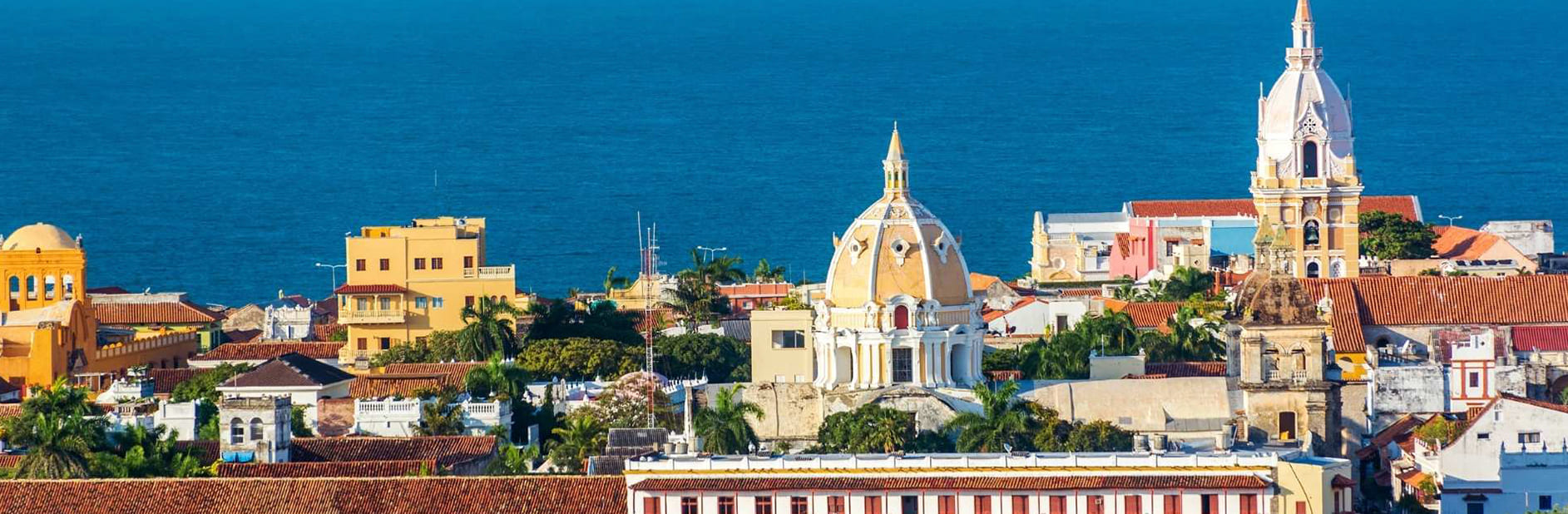
Founded in 1533 by Pedro de Heredia on indigenous Calamary territory, it was one of the principal ports during the Spanish colonial period. The city takes its name from the resemblance of its enclosed bay to that of Cartagena, Spain.

Internationally recognized for the exceptional preservation of its historic center and its 11-kilometer belt of walls and fortifications, the site was designated a UNESCO World Heritage Site in 1984.

Cartagena de Indias is also a highly sought-after destination for its white-sand beaches and surrounding islands, renowned for their coral reefs.

Why Film in Cartagena

Cartagena de Indias is a magical setting for audiovisual productions and film shoots. The Caribbean climate and the warmth of our people, the beauty of our fortifications and historic architecture, the fascinating diversity of our underwater locations, beaches, and islands—combined with the infrastructure and safety we offer, the contagious joy of our music, and the explosion of flavors in our cuisine—make Cartagena, without a doubt, a film destination you will fall in love with forever.

Incentives

Local Productions

Grant Call for the Strengthening of the Audiovisual Sector

National Productions

Law 814 of 2003 – Incentives for Colombian Cinema

International Productions

40–20% Cash Rebate and up to 35% Tax Rebate

Useful Information

Location / How to Get There

By land:

  • From Bogotá: 980 km. Ruta del Sol Highway
  • From Medellín: 706 km. Caribbean Trunk Road
  • From Santa Marta: 240 km. Caribbean Trunk Road
  • From Barranquilla: 134 km. Coastal Highway

By air:

Rafael Núñez International Airport

By sea:

Port of Cartagena


Check here the list of countries whose nationals require a visa to enter Colombia 

Climate

Type: Tropical
Temperature: Average 27°C
Humidity: 77 - 83 %
Sunlight hours: 12 hours per day

Rainy season: September - November

Dry season: December - April

Natural Parks

Cartagena is recognized for its coral reef and mangrove ecosystems. Los Corales del Rosario and San Bernardo Natural National Park, an archipelago made up of 27 islands, is home to one of the largest coral reefs in the country.
Espíritu del Manglar Park offers visitors an immersive experience in mangrove ecosystems, home to a wide variety of bird, amphibian, and reptile species.

Port Area

The Port of Cartagena is the largest logistics, commercial, and tourism hub in the Caribbean. Its facilities include both the Container Terminal and the Cruise Terminal, with capacity for five cruise ships simultaneously and up to 10,000 passengers per day.
The city has more than 20 additional port facilities, including the Bodeguita Pier and various yacht clubs.

Military Areas

Cartagena hosts the largest naval military infrastructure in the Colombian Caribbean, including ARC Bolívar Naval Base, Tierra Bomba Naval Station, the Naval Hospital, and the Admiral Padilla Naval Cadet School, among others.
Filming in military areas requires special permits from the Colombian Navy.

PUFAC

Learn about and apply for the Unified Permit for Audiovisual Filming in Cartagena de Indias (PUFAC), the single authorization mechanism for filming in public spaces throughout the city.